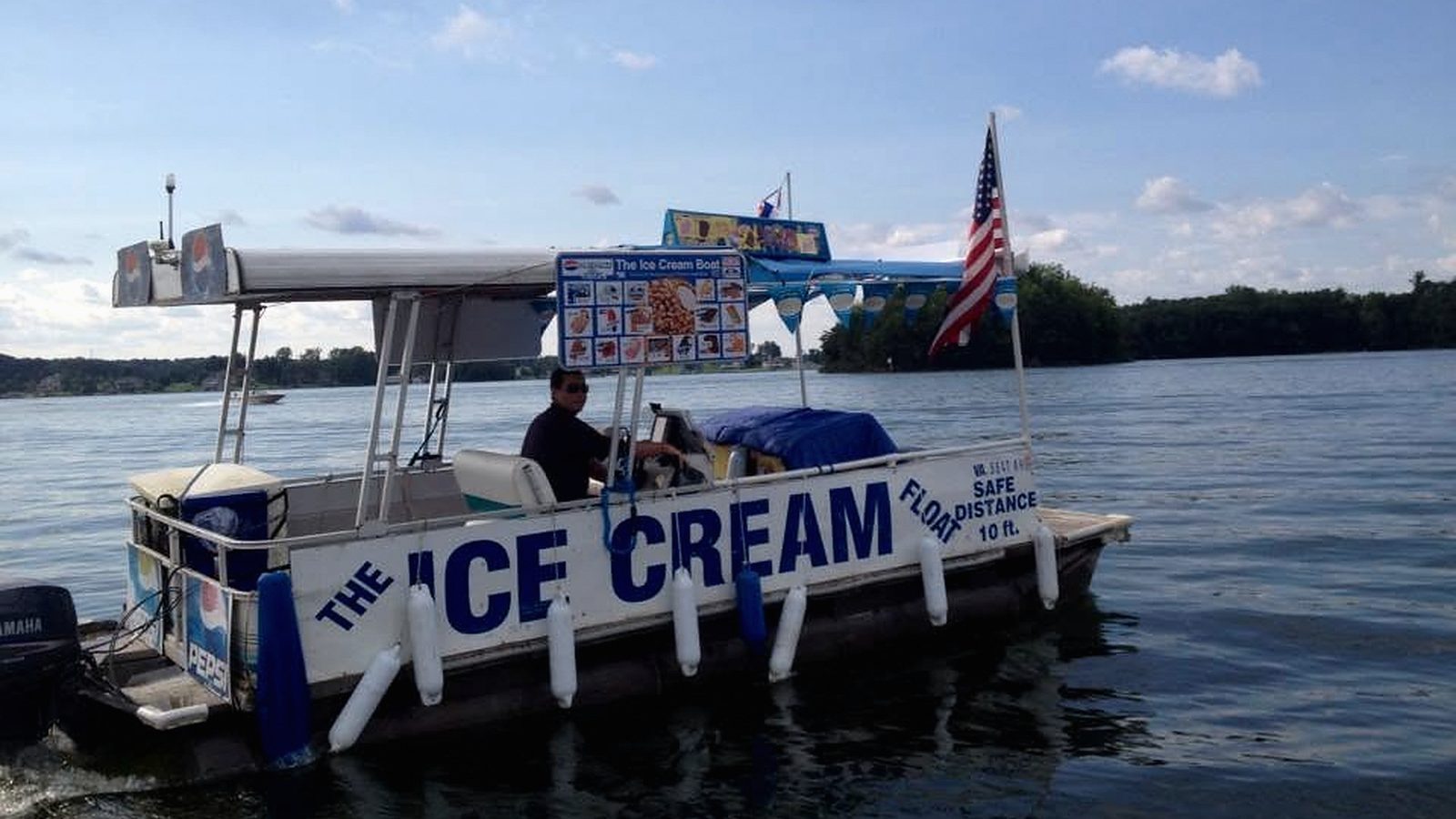
Room 02 · Out on the water
The Expedition
Manatees, spoonbills, pelicans and the rest of the neighborhood. Collect the cards. Then go find the real thing, and give it some room.
Critter of the week. Seven cards and counting. Tap a card to flip it. Slow down in manatee zones. Look, don’t touch
Collect them all
Critter Cards
Southwest Florida’s locals, one card each. Tap a card to flip it, swipe for more: three facts, where to look, and the one rule that keeps them safe. Critter of the week: Florida manatee
 No. 01This week
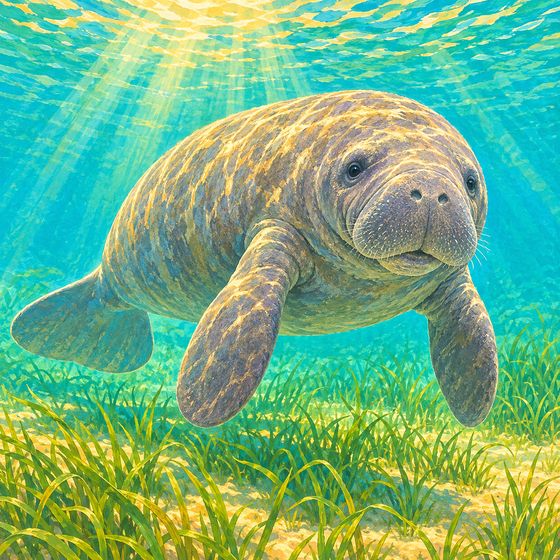
Florida manatee
The gentle giant
Florida manatee
Trichechus manatus latirostris
- Adults typically run 9 to 10 feet and about 1,000 pounds. Some top 13 feet.
- Can spend up to eight hours a day grazing seagrass.
- Their molars keep replacing themselves for life, like a conveyor belt.
- Where to look
- Look for a round “footprint” of smooth water and a nose popping up to breathe.
- Be cool
- Slow down in manatee zones. Look, do not touch or feed.
 No. 02This week
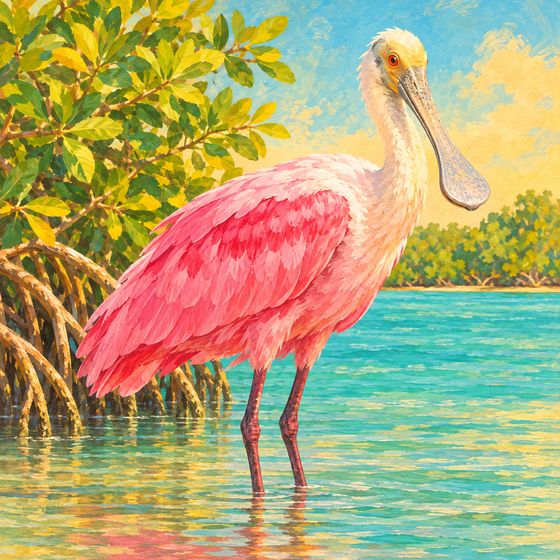
Roseate spoonbill
Florida’s pink one
Roseate spoonbill
Platalea ajaja
- The pink comes from what it eats. Shrimp, crayfish and crabs carry carotenoid pigments.
- It feeds by feel, sweeping that spoon-shaped bill side to side through shallow water.
- Plume hunters went after its feathers in the early 1900s. It has bounced back.
- Where to look
- Shallow, muddy flats at low tide. If you see pink in the mangroves, that is not a flamingo.
- Be cool
- Give wading birds room. If they stop feeding to watch you, you are too close.
Sources: FWC, National Park Service
 No. 03This week
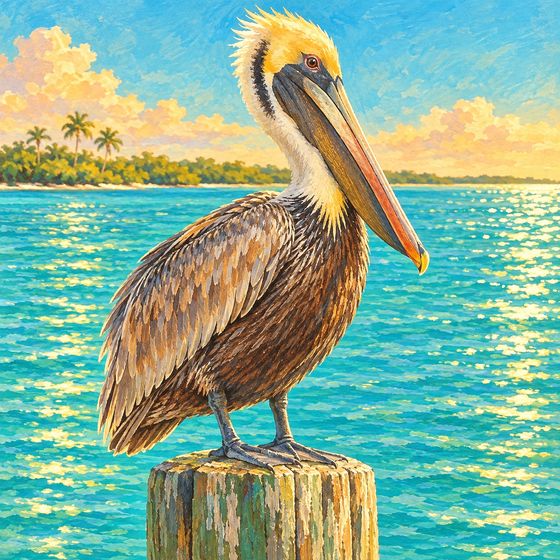
Brown pelican
The dive bomber
Brown pelican
Pelecanus occidentalis
- The only pelican that plunge-dives for fish, from as high as about 60 feet.
- Air sacs under the skin cushion the impact when it hits the water.
- The pouch holds up to 3 gallons, about three times what its stomach holds.
- Where to look
- Any pier, any piling, any fishing boat coming in.
- Be cool
- Never feed pelicans, and keep fishing line out of the water. Bin it.
Sources: FWC, USFWS fact sheet
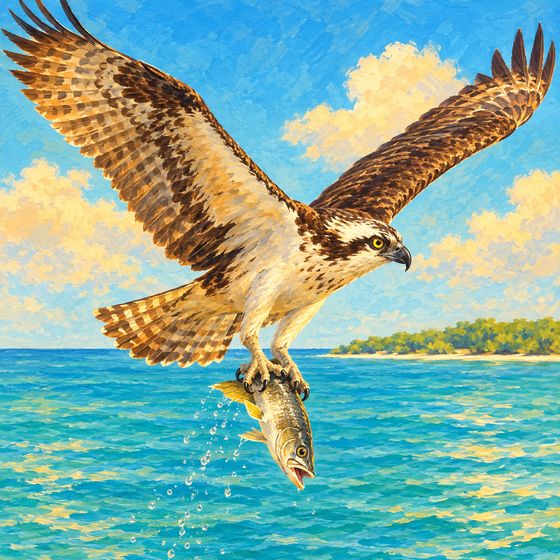 No. 04This week
Osprey
The fishing hawk
Osprey
Pandion haliaetus
- Fish make up about 99 percent of its diet.
- One outer toe flips backward, so it can grip with two toes in front and two behind.
- It carries its catch headfirst, like a torpedo.
- Where to look
- Big stick nests on channel markers, light poles and dead trees near water.
- Be cool
- Do not linger under an active nest. A circling, whistling parent is asking you to move on.
Sources: Cornell Lab, All About Birds, Audubon
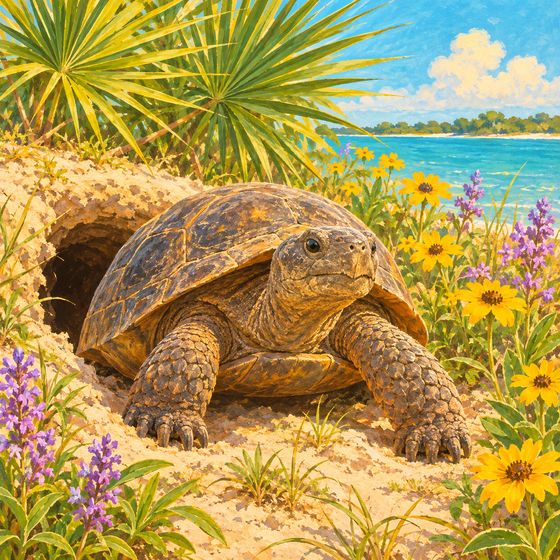 No. 05This week
Gopher tortoise
The landlord
Gopher tortoise
Gopherus polyphemus
- Its burrows average about 15 feet long and 6.5 feet deep.
- More than 350 other species use those burrows for shelter.
- It spends up to 80 percent of its time underground.
- Where to look
- Sandy, sunny uplands. Look for a half-moon shaped burrow opening with a sand apron.
- Be cool
- Protected in Florida. Leave tortoises and their burrows alone.
Sources: FWC, FWC commensal species list
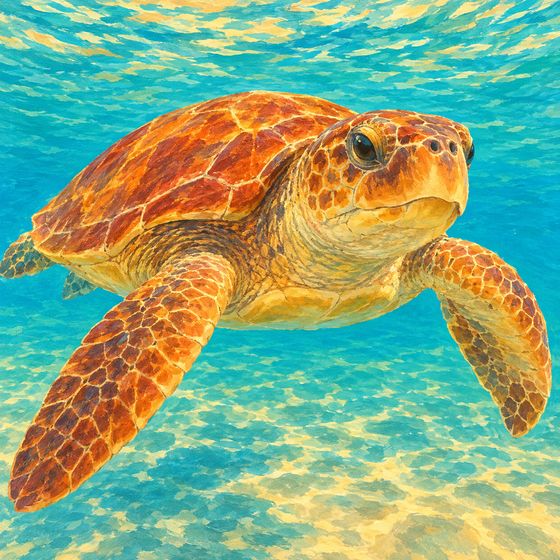 No. 06This week
Loggerhead sea turtle
The night nester
Loggerhead sea turtle
Caretta caretta
- Florida hosts one of the largest loggerhead nesting populations in the world.
- A female can lay more than 100 eggs in a single nest.
- Hatchlings head for the brightest horizon, which should be the sea.
- Where to look
- Nesting season runs roughly April through September. Marked, staked nests on the beach.
- Be cool
- Lights out on the beach at night. Keep lights off, low, shielded and long-wavelength.
Sources: FWC, FWC sea turtle FAQ
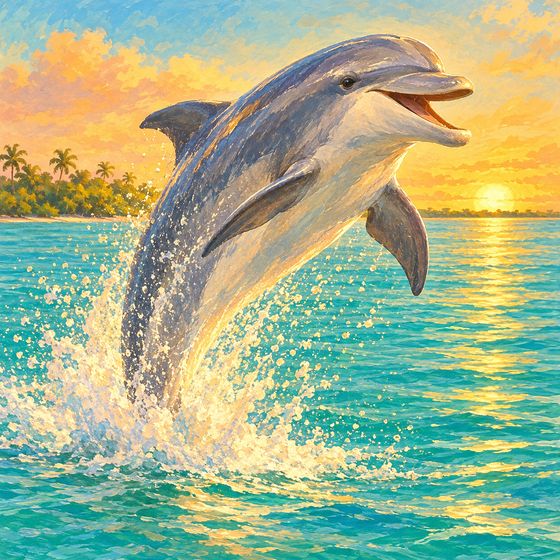 No. 07This week
Bottlenose dolphin
The one with a name
Bottlenose dolphin
Tursiops truncatus
- Each dolphin develops its own signature whistle, a bit like a name.
- Adults run 6 to 13 feet and can live 40 to 60 years.
- It finds food with echolocation, listening for the echoes of its own clicks.
- Where to look
- Passes, bays and boat wakes. Listen for the puff when they surface to breathe.
- Be cool
- Federal law protects them. Never feed or chase wild dolphins.
Sources: NOAA Fisheries, NOAA signature whistle study

“I want to come up with something cool. Something that isn’t nerdy.”
The episodes
Field notes and trips
0 so far. New ones land when they’re ready.
The first stories land here soon.